
Share this article
How old can a roof be to sell a house in Florida? Florida has no legal age limit that stops you from selling a house because of its roof. You can list and sell a home with a roof of any age. The real hurdle is insurance, since buyers often need a policy to close, and insurers look closely at older roofs.
So the roof rarely blocks the sale on paper. It just changes how the deal comes together. In this guide, we’ll walk through the inspections buyers’ insurers ask for, the roof findings that stall closings, the Florida rules people keep asking about, and the choices sellers face before listing. Stick with us, because a few smart moves early can save a lot of stress later.
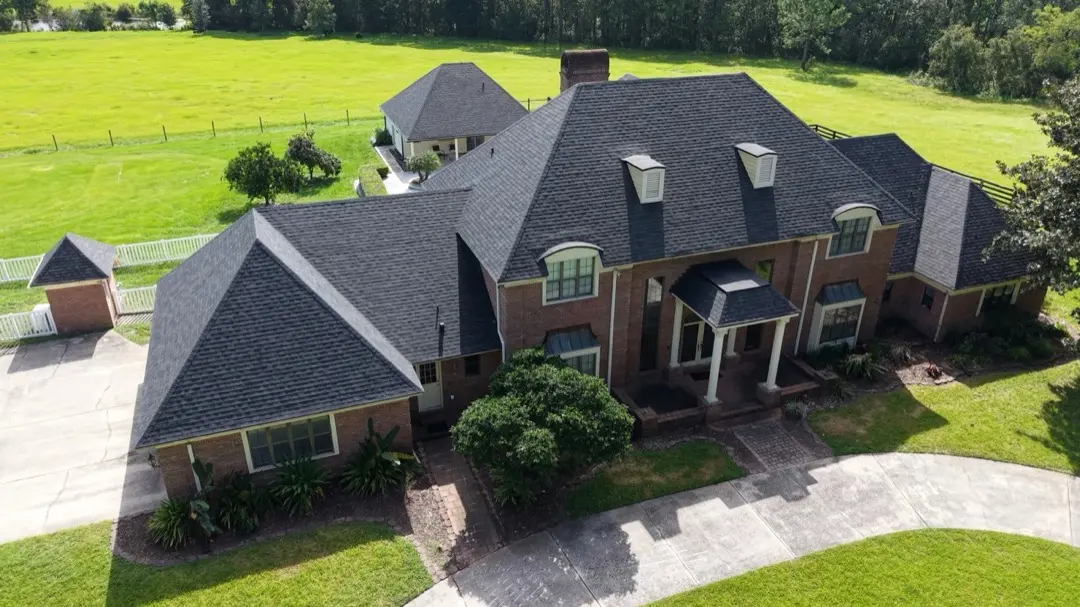
Is There a Roof Age Limit for Selling in Florida?
No state law caps roof age for a home sale. So, can you sell a house with an old roof in Florida? Yes. Sellers do it all the time, whether through traditional buyers, cash buyers, or as-is sales. Age alone does not make a home unsellable.
The catch is financing and coverage. Most buyers need a mortgage, and lenders require insurance. When a roof is older, insurers get stricter, and that pressure often shapes the negotiation. So the question shifts from “can I sell” to “how will the roof affect the terms.”
Why Buyers’ Insurers Require a 4-Point Inspection and Wind Mitigation Report
Florida insurers want to know what they’re covering before they write a policy. For older homes, they usually ask for a 4-point inspection that reviews the roof, electrical, plumbing, and HVAC. The roof section carries a lot of weight in that review.
They may also request a wind mitigation report. This document notes features that help a roof withstand storms, such as roof shape, deck attachment, and secondary water barriers. A strong report can lower premiums, while a weak one can raise them or complicate coverage. Both reports give the buyer’s insurer a clear picture of risk.
Roof Findings That Commonly Hold Up a Closing
Certain roof issues show up repeatedly during inspections and can slow a deal. Here are the ones that most often need attention before closing:
Active Leaks and Water Stains
A visible leak or interior water stain is a red flag. It signals the roof may be letting water in, and buyers or insurers will want it addressed. Even a small stain can trigger questions about hidden damage.
Short Remaining Roof Life
Inspectors often estimate how many years a roof has left. When that number is low, insurers may decline coverage or require a replacement. This is one of the most common sticking points on older homes.
Missing Permits or Prior Unpermitted Work
In Northeast Florida, buyers’ agents and attorneys often pull permit histories. If past roof work was done without a permit, it can surface at closing and delay the deal until it’s resolved.
Visible Damage or Wear
Curling shingles, missing shingles, worn flashing, and soft decking all count. These findings suggest the roof is near the end of its service life and may need repairs or replacement to satisfy an insurer.
Florida Roof Rules Buyers and Sellers Ask About
Two rules come up in almost every conversation about older roofs. Neither one bans a sale, but both shape decisions. Keep in mind that underwriting and enforcement can vary by insurer, buyer, and local building department, so it helps to confirm details for your specific situation:
15 Year Roof Rule Florida
This is an insurance and underwriting practice, not a law that stops a sale. Many insurers now flag roofs around 15 years of age and may require an inspection to prove remaining life before offering or renewing coverage. The way this plays out depends on the insurer and the roof’s condition, which is where roof age insurance Florida concerns come into play.
25 Percent Roof Rule
Under Florida Statute 553.844 and the state building code, the 25 percent roof rule generally means that if more than 25 percent of a roof area or section is repaired or replaced within 12 months, that portion may need to meet current code. Recent updates have added exceptions, so the practical impact varies by roof type and local interpretation.
What Sellers Should Weigh Before Listing
A little planning before you list can prevent surprises during escrow. Here are the main choices sellers face when the roof is a question mark:
Repair or Replace Before Listing
Sometimes a targeted repair is enough to satisfy an inspector or insurer. Other times, a full roof replacement before selling a house in Florida makes more sense, especially when the roof is near the end of its life or has repeat problems. A trusted roofer can help you weigh cost against the likely effect on your sale, and this is a natural spot to connect buyers and agents with a dedicated realtor roofing resource.
Who Typically Pays When the Roof Is Flagged
There’s no fixed answer to who pays for roof replacement when selling a house. It comes down to negotiation. Sometimes the seller handles repairs before listing. Sometimes the buyer takes a credit and manages the work after closing. In other deals, the cost is paid at closing through the settlement, which lets the seller avoid a large upfront bill while still getting the roof addressed. A roofing partner who understands transactions can help both sides find workable options.
Roof Certifications Versus Full Inspections
These two are not the same. A full inspection gives a detailed look at the roof’s overall condition. A shorter certification focuses on confirming remaining life and general soundness for a lender or insurer. If you’re asking about a roof certification for a home sale in Florida, confirm with your roofer what documentation they can provide, since availability varies by company and situation.
Getting ready to list? Our roofing for realtors team provides fast inspections and roof repairs that help sellers clear buyer and insurance requirements.

Sellers and Agents Trust KayCo Roofing
At KayCo Roofing, we know an older roof doesn’t have to derail a home sale. With more than two decades of experience across Northeast and North Central Florida, we help sellers and agents get clear answers fast, from honest inspections to practical repair and replacement guidance. As an award-winning, family-owned company, we focus on quality workmanship, fair pricing, and the kind of straight talk that keeps a transaction moving.
We also understand the pressure of inspection deadlines and closing timelines. Our team clearly documents roof conditions, explains your options in plain terms, and works alongside agents to keep deals on track. If a roof concern is standing between you and the closing table, reach out today, and let’s find the right path forward together.
Frequently Asked Questions
Can I sell my house with a 20-year-old roof?
Yes. Florida has no law against selling a house with a 20-year-old roof. The challenge is that many insurers hesitate to cover a roof that age without an inspection showing solid remaining life. You may sell to a traditional buyer, a cash buyer, or on an as-is basis, depending on the condition and the deal.
Should I replace the roof before I list?
It depends on the roof’s condition, its age, and your local market. If the roof is failing or very close to the end of its life, replacing it can make the home easier to insure and sell. If it still has good life left, a repair and current documentation may be enough. Get an honest evaluation first.
What fails a 4-point inspection?
Common roof-related fails include active leaks, significant damage, worn or missing shingles, poor decking, and too little remaining service life. Electrical, plumbing, or HVAC issues can also cause a home to fall short, since the report covers all four systems.
What if the seller will not replace the roof?
The deal can still move forward. Buyer and seller can negotiate a credit, adjust the price, or arrange for the work to be handled at closing. Some buyers accept the home as-is. The key is open communication and a clear plan that satisfies the buyer’s insurer.
Does an older roof always lower my home's value?
Not always. A well-maintained older roof with strong inspection results and a favorable wind mitigation report can hold up fine in a sale. Value depends more on condition, documentation, and buyer expectations than on age alone.