
Share this article
Every June, Northeast Florida homeowners face the same quiet countdown. The season stretches from June through November, and the roof over your head is the first line of defense when the weather turns rough. A little planning now can save you a lot of trouble later, yet most people wait until a storm is already in the forecast to think about it.
So what does a smart, calm approach to roof readiness actually look like? There’s more to it than tossing a tarp in the garage. Over the next few sections, we’ll walk you through simple checks, smart timing, and a few things worth knowing before the crews roll into town. Keep reading, and you’ll head into the season a lot more prepared than your neighbors.
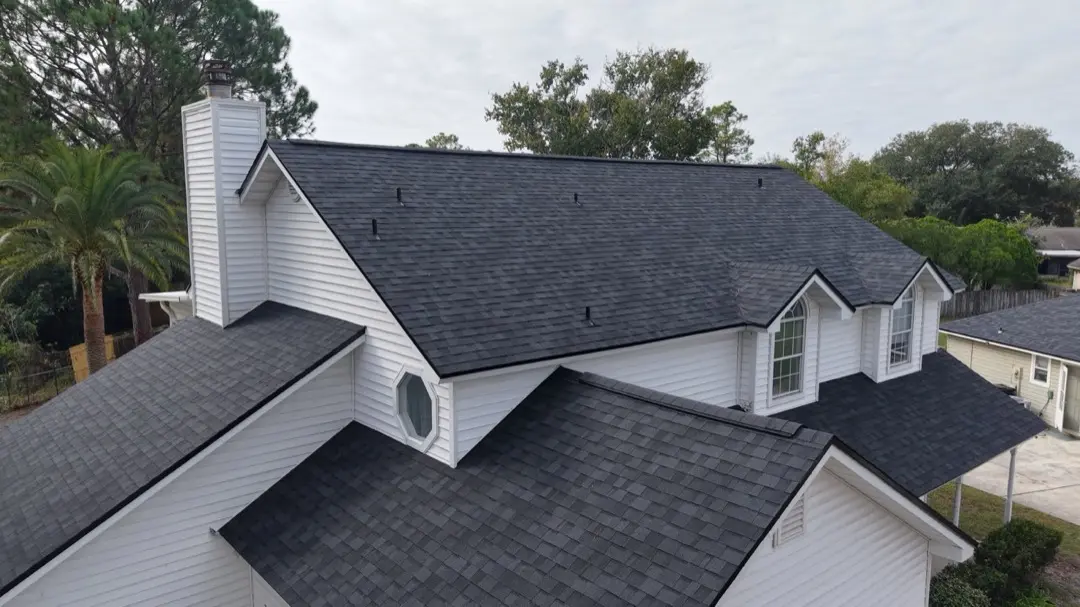
Pre-Season Roof Checks
The best time to inspect your roof is on a clear, dry day, long before any warnings appear. Good hurricane roof preparation in Florida starts with a handful of straightforward checks you can do from the ground or with a quick call to a pro. These steps help you spot small problems while they’re still cheap and easy to fix, so you can protect your home before the busy season begins:
Securing loose flashing and ridge caps
Flashing seals the joints where water loves to sneak in, and ridge caps cap off the peak of your roof. High wind finds loose edges fast. Walk the perimeter and look for lifted metal, popped nails, or missing caps. Tightening these now helps you prepare your roof for hurricane conditions and reduces the risk of wind peeling back shingles.
Clearing gutters and nearby limbs
Water needs somewhere to go when the rain comes hard. Clogged gutters back up quickly and push moisture under your shingles, inviting water intrusion into your ceilings and walls. Clear out leaves and debris, then trim any branches hanging over the roof. Loose limbs turn into projectiles once the wind picks up.
Documenting roof condition with dated photos
Take clear, dated photos of your roof and attic before the season heats up. A solid pre-storm roof inspection in Florida paired with your own photo record gives you an accurate baseline. If you ever need to file an insurance claim later, that before-and-after comparison shows exactly what changed. Store the images somewhere safe and easy to find.
What to Do Immediately After a Storm Passes
Once the wind dies down and it’s safe to step outside, a calm, careful check helps you understand what you’re dealing with. Move slowly, stay on the ground when you can, and focus on spotting problems rather than fixing them right away. Here’s a simple list to follow after a storm hits:
- Wait until conditions are truly safe before going outside.
- Look for missing shingles, dented metal, or debris on the roof.
- Check ceilings and attic spaces for fresh stains or dripping.
- Take new dated photos to compare against your pre-season set.
- Cover interior belongings under any active drip to limit damage.
- Call a licensed local roofer for a professional assessment.
Why Pre-Season Inspections Book Faster Than Post-Storm Ones
Scheduling an inspection before the season is easier. Roofers have open calendars, clear roads, and dry weather to work with. You pick the day, the crew shows up on time, and the whole visit feels unhurried. That relaxed pace means small issues get real attention instead of a rushed once-over.
After a named storm, the picture flips completely. Every homeowner in the region calls at once, and reputable crews book out for weeks. Roads may be blocked, and demand spikes. Getting your hurricane-season roof checklist in Florida handled early puts you ahead of the rush and keeps you off a long waiting list when it matters most.
How to Spot and Avoid Unlicensed Out-of-Town Crews
When a big storm passes, out-of-town operators often flood the area looking for quick work. Some knock on doors, push for fast decisions, and ask for cash up front. Legitimate contractors don’t pressure you into signing on the spot. If an offer feels rushed or too cheap, slow down and ask questions before you commit.
Verifying a Florida roofing license takes only a few minutes. Visit the Florida Department of Business and Professional Regulation (DBPR) website and search the contractor’s name or license number. A licensed, local roofer with real reviews and a physical address is a far safer choice. This simple check helps you protect your roof from hurricane damage repairs done by fly-by-night crews.
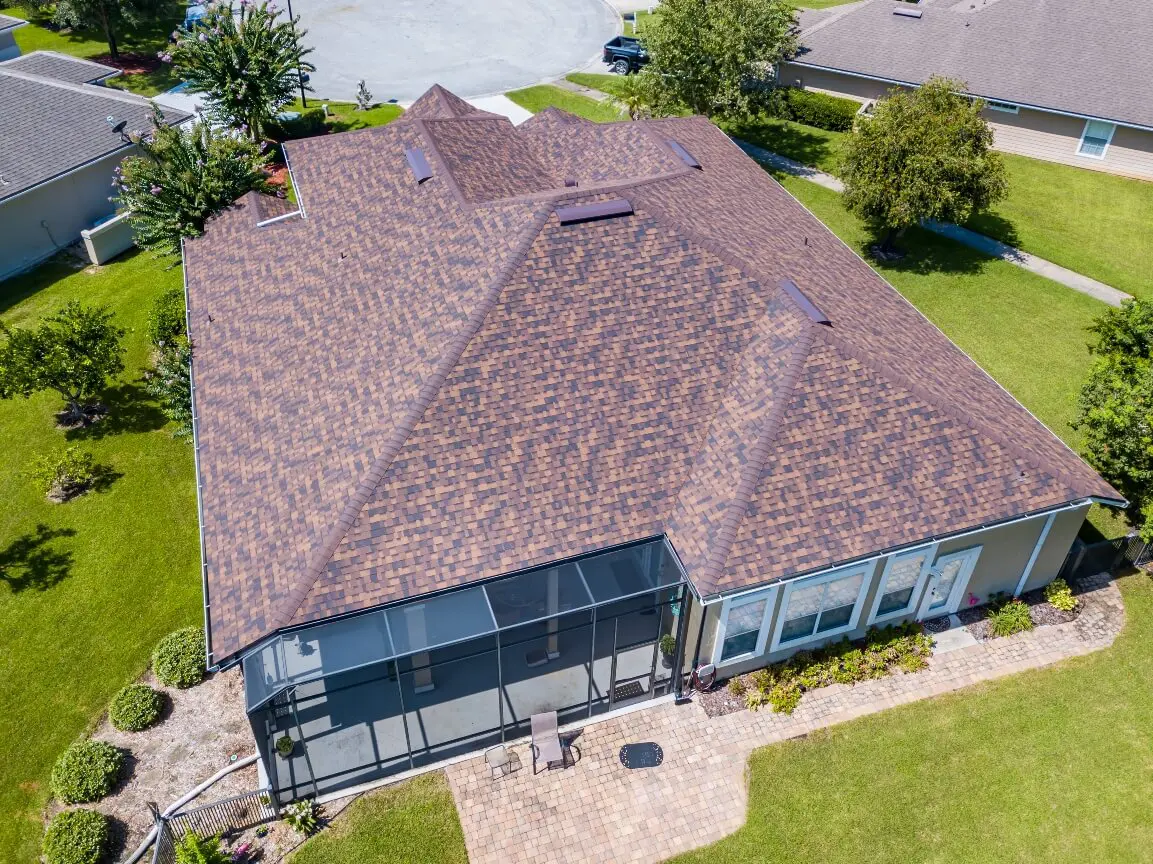
KayCo Roofing: Here When the Storm Is Over
When a storm leaves damage behind, KayCo Roofing is ready to step in. We’ve spent more than two decades serving Northeast and North Central Florida homeowners with roof repairs, storm damage repairs, and emergency services for major structural damage. As an award-winning, family-owned team and an Owens Corning Platinum Preferred Contractor, we deliver quality work and straight answers every time.
From storm damage repairs to emergency help when major damage strikes, our crew is ready to handle what the season throws your way. Contact KayCo Roofing today and get a team that shows up, does the job right, and stands behind every repair.
Frequently Asked Questions
When should I prepare my roof for hurricane season in Florida?
Start well before June, since hurricane season runs June through November. Booking a pre-season inspection early means open schedules, dry weather, and time to fix small problems before demand spikes after a storm.
What are the most important pre-season roof checks?
Focus on securing loose flashing and ridge caps, clearing gutters and overhanging limbs, and documenting your roof with dated photos. These simple steps reduce wind and water risks before any storm arrives.
Should I take photos of my roof before a storm?
Yes. Dated photos of your roof and attic create a clear baseline. If damage occurs later, that record helps you compare conditions and organize your next steps with accurate documentation.
Why is a pre-season inspection easier to schedule than one after a storm?
Before the season, roofers have open calendars and clear access. After a named storm, everyone calls at once and reputable crews book out for weeks, so early planning keeps you ahead of the rush.
How do I verify a Florida roofing license?
Search the contractor’s name or license number on the Florida DBPR website. Choose a licensed, local roofer with real reviews and a physical address, and avoid crews that pressure you for fast decisions or cash up front.