
Share this article
If your Florida insurer dropped you because of your roof, you still have solid options, and you don’t have to panic. A non-renewal notice usually means your carrier no longer wants to insure a roof it sees as too old or too worn. The good news: you can document your roof’s real condition, shop the private market, and replace the roof on your own terms if it’s near the end of its life.
This guide walks you through roof insurance non-renewal in Florida from start to finish. You’ll learn why carriers target older roofs, what your notice actually means, the exact steps to take next, and which documents help your case. We’ll also explain how to handle policy disputes and when a fresh roof makes the most sense. Keep reading, because the choices you make in the next few weeks matter.
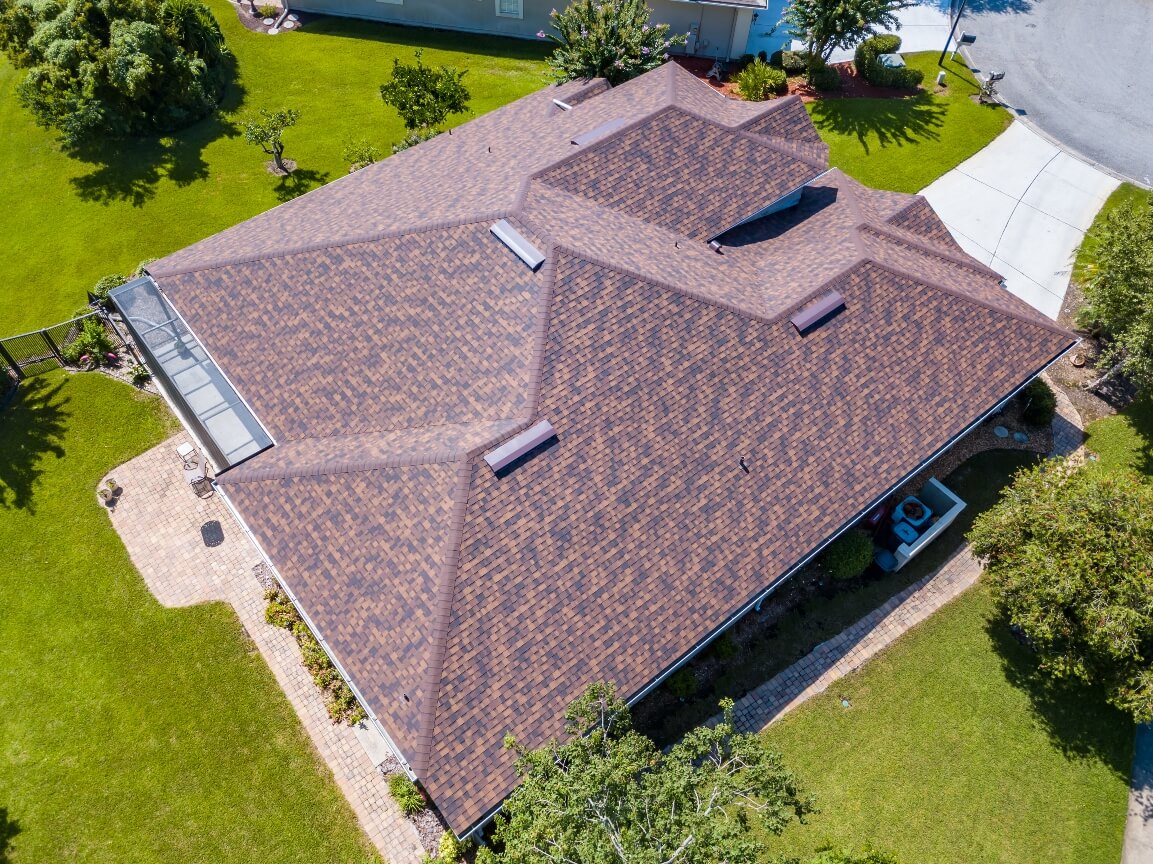
Why Florida Carriers Are Non-Renewing Older Roofs
Florida insurers face heavy storm losses, rising reinsurance costs, and strict underwriting rules, so they weed out roofs likely to fail. An aging roof shows more wear and tear, higher water damage risk, and a shorter remaining service life, which is exactly what carriers try to avoid. That’s why so many see their homeowners insurance dropped because of roof age, even when the roof still keeps rain out today. The type of roof materials on your home plays a big role, since carriers treat shingle, metal, and tile very differently.
| Roof type | Typical age threshold carriers flag | How carriers usually treat it |
| Asphalt shingle | 15–20 years | Most likely to trigger non-renewal or a required replacement |
| Metal | 30–40 years | Often accepted longer if in good condition |
| Tile (concrete/clay) | 25–40+ years | Underlayment age matters more than the tile itself |
What the Notice Actually Means
A non-renewal notice is not a cancellation. It means your carrier will not renew your policy when the current term ends, so your coverage stays active until that effective date. Florida law generally requires insurers to give advance written notice, which gives you a window to act. Read the notice closely, because the effective date is the clock you’re working against.
That timeline is tighter than most homeowners expect. You may have only a few weeks to gather documentation, shop other carriers, or plan a replacement. Some homeowners in this spot also learn that their insurance company wants a new roof in Florida before it will offer a new policy. Move early, because waiting until the last week leaves you scrambling for coverage.
What To Do Next
Here’s a clear order to follow once the notice arrives. Work through these steps in sequence so nothing slips through the cracks:
Step 1: Read the Notice and Note the Effective Date
Find the exact date your coverage ends and mark it on your calendar. Everything else you do works backward from that date, so treat it as your hard deadline.
Step 2: Request the Carrier’s Stated Reason in Writing
Ask your carrier or agent for the specific reason for non-renewal in writing. Understanding the roof age insurance requirements in Florida your carrier uses tells you whether documentation or a replacement is the real fix.
Step 3: Contact Your Agent About Documentation
Ask your agent what proof might change the decision or help you qualify elsewhere. Sometimes a current inspection, photos, or proof of a recent repair is enough to satisfy an underwriter.
Step 4: Get an Independent Roof Condition Report
Bring in a licensed roofing contractor for an honest, written condition report with photos. This gives you facts about remaining service life and helps you decide whether to repair or replace.
Step 5: Compare Private Market Quotes and Understand Citizens
Shop several private carriers before assuming you’re out of options. Citizens Property Insurance is the state-backed insurer of last resort, meant for homeowners who can’t find private coverage, not a first choice for everyone.
Step 6: Budget for Replacement if the Roof Is End of Life
If your roof is truly at the end of its life, plan for a replacement. A new roof often reopens the door to affordable coverage and removes the age problem that triggered the notice.
Documentation That Can Help
The right paperwork can strengthen your position with a current or future carrier. Keep these documents organized and easy to share with your agent or underwriter:
- Dated roof condition report with photos: A written report from a licensed contractor shows the roof’s current state, remaining service life, and any repairs already made.
- Permit records: Closed permits prove past work was done legally and inspected, which underwriters like to see.
- Manufacturer warranty registration after a replacement: Once you install a new roof, registering the warranty documents the material, install date, and coverage, all useful for a fresh policy.
You Don’t Have to Wait on a Claim
Here’s the part many homeowners miss: you can replace your roof on your own as a retail purchase. You do not have to file a claim or wait on an insurer’s decision to move forward. If your roof is aging out and driving up your premium, directing your own replacement puts you back in control of the timeline and the outcome.
If you believe your non-renewal or an insurance premium increase due to an old roof issue was handled unfairly, you can pursue a policy dispute. Contact the Florida Department of Financial Services consumer helpline for guidance on disputes with your carrier. Insurance questions belong with your agent, carrier, or the state, while the roof work itself is a straightforward retail project you can schedule whenever you’re ready.
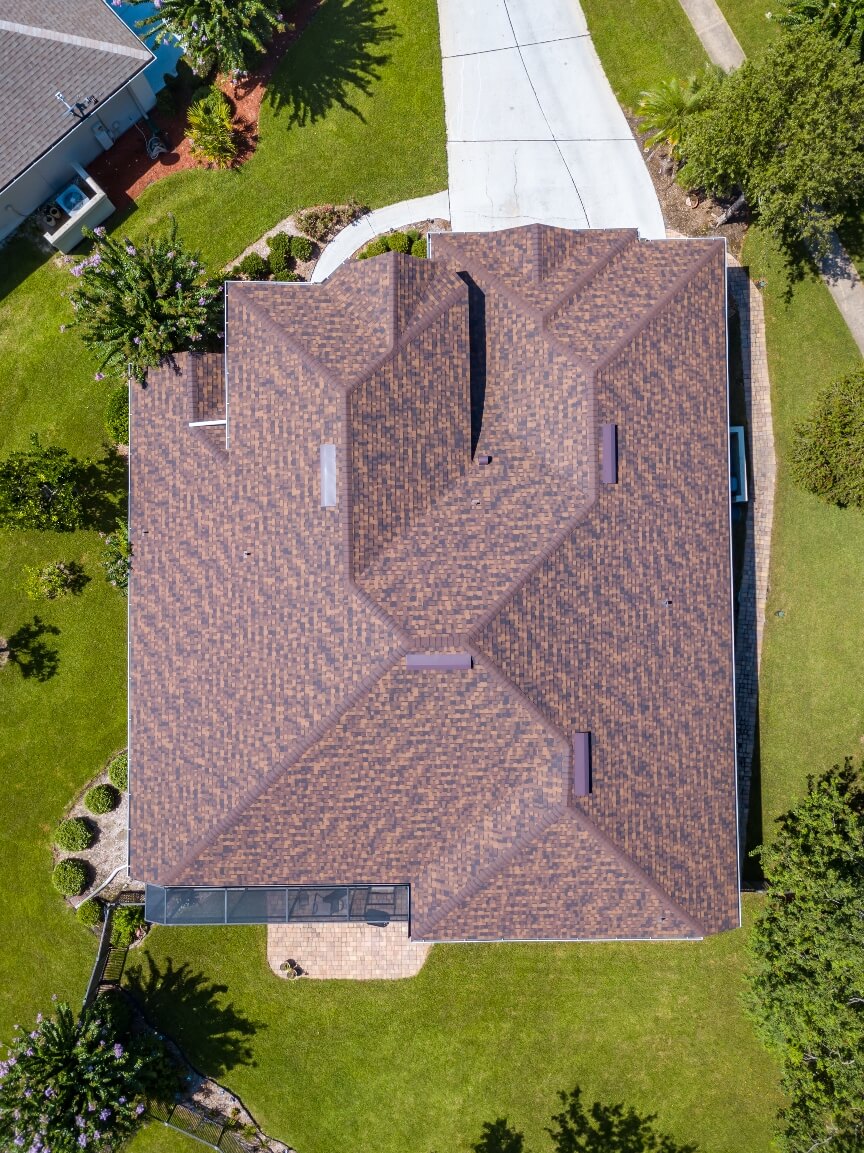
What to Do If Your Florida Insurer Drops You: How KayCo Roofing Helps
When the problem comes down to the roof itself, that’s where the right contractor makes all the difference. KayCo Roofing is a retail roofing contractor, which means we install and replace roofs directly for homeowners. We do not file, negotiate, or manage insurance claims, and those questions always belong with your agent or carrier. What we do is give you an honest, written roof condition report and a fair replacement plan so you can make a confident decision.
With more than two decades of local experience, free roof inspections, and Owens Corning Platinum Preferred status, KayCo Roofing brings factory-trained crews and manufacturer-backed quality to every project. Our A+ BBB rating and award-winning reputation reflect the way we treat homeowners across Northeast and North Central Florida. If your roof is aging out and putting your coverage at risk, schedule your free roof inspection today and get the clear facts you need to move forward.
Frequently Asked Questions
Can an insurance company drop me just because my roof is old?
Yes. In Florida, carriers can non-renew a policy based on roof age and condition, especially for asphalt shingle roofs past 15 to 20 years. A recent inspection or replacement can help you qualify for new coverage.
How long do I have after a non-renewal notice?
Your coverage stays active until the effective date listed on the notice, and Florida law requires advance written notice. Use that window to gather documentation, shop carriers, or plan a roof replacement.
Does a new roof help me get insured again?
Often, yes. A new roof removes the age concern that triggered the non-renewal and can reopen access to private-market policies. Register the manufacturer warranty and keep your permit records as proof.
What is Citizens Property Insurance?
Citizens is Florida’s state-backed insurer of last resort, designed for homeowners who cannot find coverage in the private market. It’s a fallback option, not typically the first place to shop.
Where do I report an unfair non-renewal?
Contact the Florida Department of Financial Services consumer helpline for help with policy disputes. They can guide you on how to handle disagreements with your insurer.