
Share this article
How long does a roof last in Florida? In North Florida, most asphalt shingle roofs last around 15 to 25 years, metal roofs can run 40 years or more, and tile can last even longer. The exact number depends on the material, the installation, and how hard the local climate works against it.
That range is wide for a reason. The same roof that lasts 25 years on a shaded, well-vented home might fade fast on a sun-baked, poorly ventilated one nearby. Below, we’ll break down realistic lifespans by material, the local forces that shorten those numbers, the visible stages of aging, and why your roof’s age matters to insurers. Keep reading so you can plan instead of reacting to a leak.
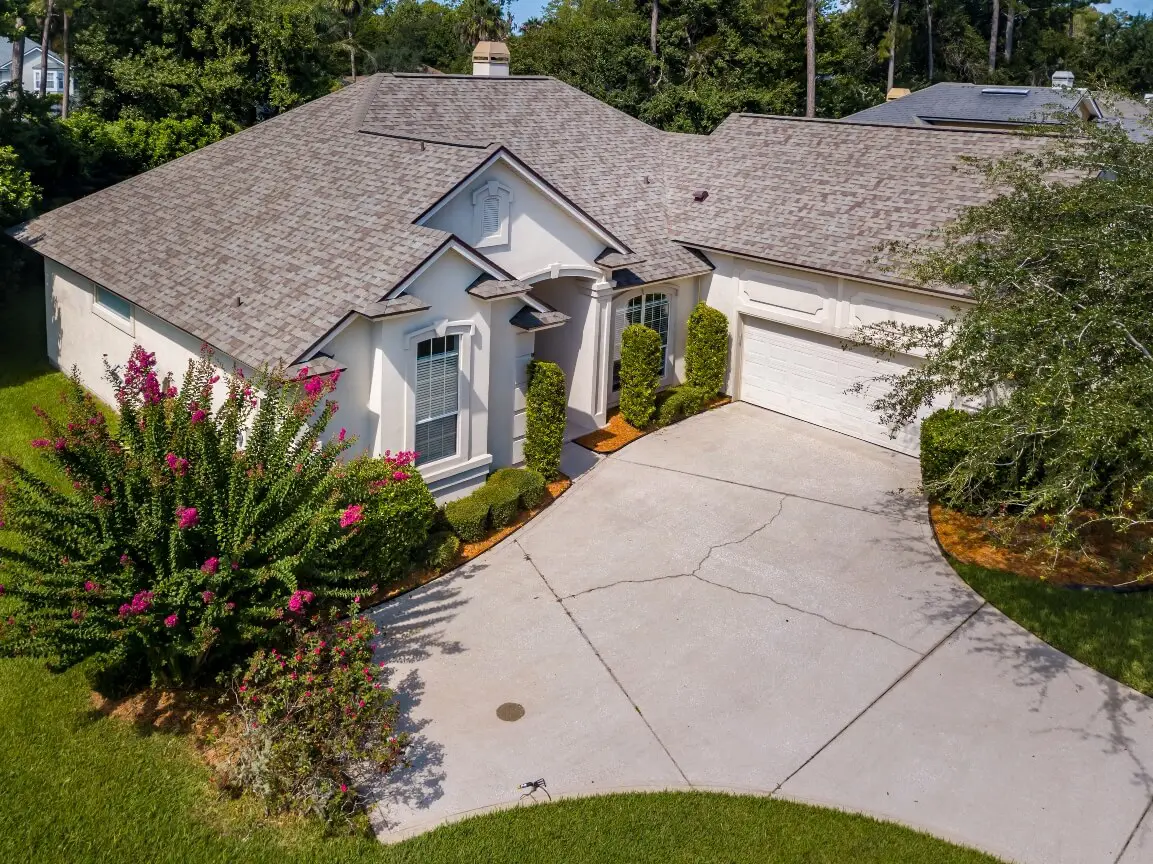
Roof Life Expectancy by Material
Every roofing material ages on its own schedule. Knowing the roof life expectancy by material helps you budget and set realistic expectations. These are typical ranges for our region, not guarantees, since real-world results shift with climate, care, and quality of the install:
3-Tab Shingles
Three-tab shingles are the budget-friendly option, and their lifespan shows it. In our climate, they often last around 12 to 18 years. Heat and humidity tend to wear them faster than the national average, so many homes need attention toward the shorter end of that range.
Architectural Shingles
Architectural shingles are thicker and more durable than three-tab. The average life of a shingle roof in Florida built with these usually lands around 20 to 25 years. The extra weight and layered design help them resist wind and heat, which makes them a popular choice for homes across the region.
Metal Roofing
A metal roof is one of the longest-lasting options here, often reaching 40 to 50 years or more. Metal reflects heat well and stands up to wind and rain. The upfront cost is higher, but the long life and low upkeep make it appealing for owners planning to stay put.
Tile Context
For general reference, tile roofs can last 50 years or longer in many settings, which is why they show up in lifespan comparisons. Tile isn’t the right fit for every home or budget, and it isn’t the focus for most North Florida properties. Most local homes rely on shingle or metal systems instead.
Local Factors That Shorten Roof Life
Material sets the starting point, but the North Florida environment often shortens those numbers. Here are the main forces working against your roof each year, and why your true roof lifespan can differ from the label:
UV Load and Thermal Cycling
Our intense sun bakes shingles day after day. Afternoon heat drives roof surfaces up, then evening cooling pulls them back down. That constant thermal cycling makes any roofing material expand and contract, slowly cracking, curling, and weakening shingles over time.
Humidity and Algae
High humidity is a year-round reality here. It feeds algae, moss, and mildew that spread across shaded roof sections. Beyond the dark streaks, trapped moisture can break down shingle surfaces and shorten the life of the whole system.
Salt Air Near the Coast
Homes closer to the coast face salt in the air. Salt speeds up corrosion on metal components, fasteners, and flashing, and it can accelerate granule loss on shingles. Roofs in these areas often age a bit faster than identical roofs farther inland.
Poor Attic Ventilation
What happens under the roof matters too. Poor attic ventilation traps heat and moisture under the deck. That buildup cooks shingles from below and can lead to premature aging, warping, and even decking damage over time.
Storm History
North Florida sees strong storms, high winds, and heavy rain. Each event can lift shingles, loosen flashing, and stress seams. A roof that has weathered several major storms may reach the end of its service life well before a comparable roof on a quieter street. Storm wear adds up quietly, and it’s often the reason a 20-year-old roof looks closer to 30.
The Visible Stages of a Roof Aging
Roofs don’t fail overnight. They move through recognizable stages, and each one tells you something different about how much time you have left and what kind of planning makes sense:
Early Stage: Minor Wear
In the first several years, a well-installed roof looks clean and performs well. Minor granule loss and surface weathering are normal. At this stage, the right move is routine upkeep and keeping gutters clear, so water moves off cleanly.
Middle Stage: Noticeable Aging
Around the midpoint of a roof’s life, wear becomes more visible. You may notice granules collecting in gutters, slight curling at shingle edges, or algae streaking on shadier sections. These aren’t emergencies, but they’re good reasons to schedule a professional inspection and start thinking about your timeline.
Late Stage: Active Deterioration
As a roof nears the end of its life, the signs become harder to ignore. Shingles may crack, cup, or go missing. Flashing can pull away. Interior water stains may appear after rain. This is the stage when “when to replace roof in Florida?” becomes a real, pressing question rather than a future one. Waiting too long at this point often leads to damage that goes well beyond the roof itself.
End of Life: Planning for Replacement
Once a roof reaches this point, repairs become less cost-effective. A full roof replacement typically makes more sense than patching multiple areas that will keep failing. Getting ahead of this stage with a professional assessment helps you plan the project on your terms, rather than reacting to a storm or leak.
Why Roof Age Matters to Insurers
Florida insurers pay close attention to roof lifespan in Florida when writing or renewing a homeowner policy. An aging roof represents more risk, and many carriers now factor age directly into whether they’ll offer coverage, at what rate, and under what conditions. Some insurers flag roofs around 15 years old and require an inspection to confirm remaining life before moving forward.
This matters beyond the insurance conversation. When you sell a home, the buyer’s insurer will likely ask about the roof’s age and condition. A roof that’s difficult to cover can complicate financing and slow a sale. Knowing where your roof stands in its service life gives you time to act before those pressures arrive.
If your roof is showing its age, our roof repair services can extend its life, and our roofing for realtors team helps sellers handle roof issues before closing.
Plan for Your Roof With KayCo Roofing
Knowing your roof’s age, material, and condition is the first step toward making a smart decision. At KayCo Roofing, we’ve spent more than two decades helping homeowners and businesses across Northeast and North Central Florida understand exactly where their roofs stand. We offer free inspections, honest assessments, and fair pricing, so you get the information you need without any pressure to act before you’re ready.
Whether your roof has years of life left or you’re starting to see the signs of late-stage wear, our team is ready to walk you through your options. Reach out today, and let’s talk through what makes sense for your home.
Frequently Asked Questions
How long does a roof last in Florida?
Most asphalt shingle roofs in North Florida last 15 to 25 years depending on the shingle type, installation quality, and local climate exposure. Metal roofs can reach 40 to 50 years or more. These are general ranges, not warranty terms, and real results vary.
What shortens roof life the most in North Florida?
UV exposure, afternoon thermal cycling, high humidity, algae growth, and storm history are the biggest factors. Poor attic ventilation also plays a major role by trapping heat under the deck and wearing shingles from below.
How do I know if it's time to replace my roof?
Signs include widespread curling or cracked shingles, missing shingles, granules filling your gutters, active leaks, and interior water stains. If your roof is past the 20-year mark and showing several of these signs, a professional inspection will help you understand your options.
Does a newer roof lower my insurance costs?
It can. Many Florida insurers offer better rates on homes with newer roofs, especially those with features noted on a wind mitigation report. A roof that meets current code and has strong deck attachment can make a real difference in what you pay for coverage.
Is a metal roof worth it in North Florida?
For many properties, yes. The higher upfront cost is offset by a much longer service life, lower maintenance needs, and better heat reflection. In a climate with intense sun and frequent storms, metal holds up well and can be a smart long-term investment.
Can I repair my roof instead of replacing it?
Sometimes. If the damage is limited and the roof still has solid life left, targeted repairs make sense. Once a roof reaches the end of its service life or has widespread wear, a full replacement usually costs less over time than repeated patching.