
Share this article
A roof rarely fails all at once. The most common signs you need a new roof in Florida include heavy granule loss, curling or cracked shingles, recurring leaks, a sagging roofline, daylight in the attic, rising cooling bills, and a roof that has simply reached its age limit. One sign alone may only call for a repair. Several together usually mean the system is wearing out.
The causes matter as much as the signs. Some damage comes from sun, some from storms, and some starts inside your attic where you’d never think to look. Once you know what’s behind each clue, it gets much easier to tell a quick fix from a roof that’s done. Keep reading to learn what each sign means and what to do next.
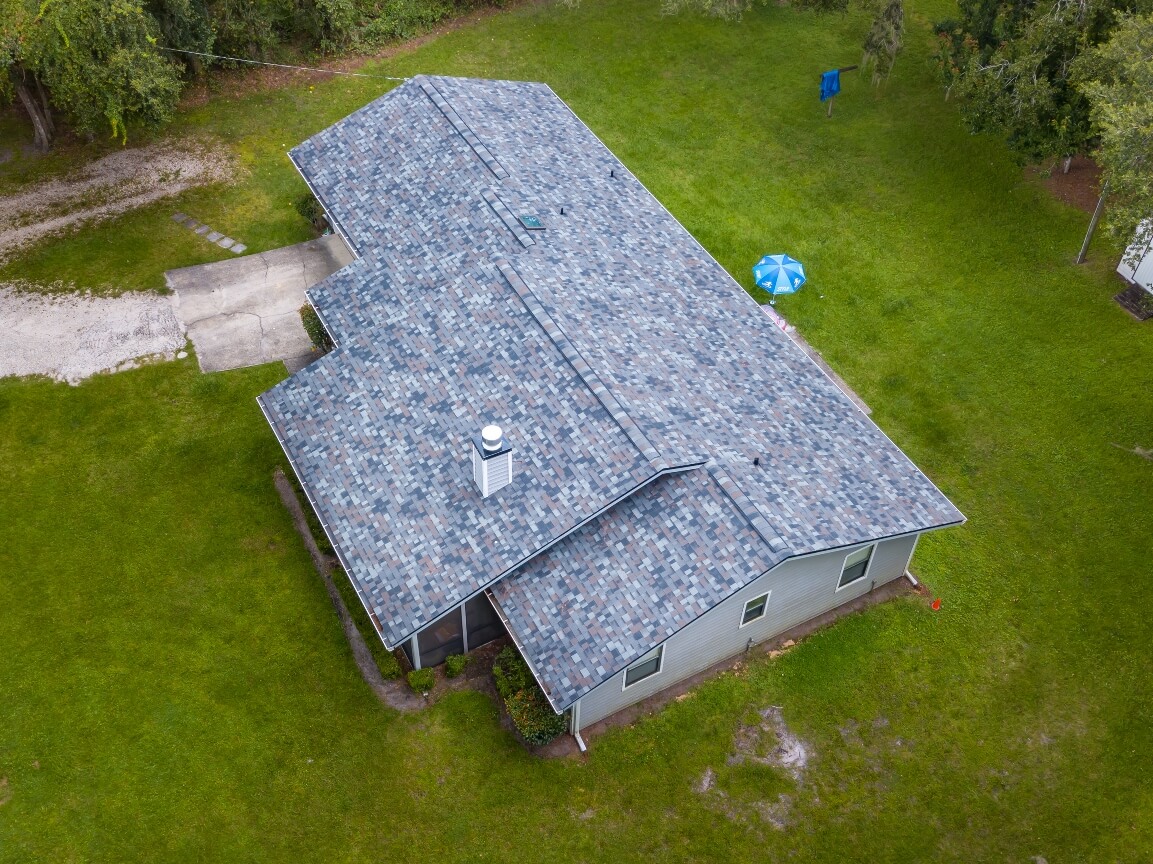
7 Signs Your Roof Needs Replacing Instead of Repair
Florida is hard on roofs. Strong UV rays, long stretches of heat, heavy humidity, and storm season all wear down shingles faster than in milder climates. Knowing when to replace a roof in Florida comes down to spotting patterns, not single problems. You can check most of these signs from your yard, your gutters, or inside your home:
NOTE: Please stay off the roof. A pair of binoculars and a careful look from the ground will tell you plenty.
1. Granule Loss
Those sandy bits in your gutters or at the bottom of downspouts are shingle granules. They shield the asphalt underneath from the sun. Over time, intense UV light and daily heat break down the asphalt that holds granules in place, so they wash off with every rain. Hail and wind-driven debris can knock them loose faster. When you see bare, dark patches on the roof, the shingles have lost much of their protection and will age quickly from there.
2. Curling or Cracked Shingles
Shingles should lie flat. When edges cup upward, or corners lift, heat is usually the reason. Florida roofs expand in the afternoon sun and shrink as they cool at night, and that cycle repeats thousands of times. Poor attic ventilation makes it worse by baking shingles from below. Cracks form as shingles dry out and lose flexibility with age. Strong gusts can also break the seal strip, which lets shingles flap until they split. A few damaged shingles can be swapped. Widespread curling or cracking usually means the whole layer is failing.
3. Repeated Leaks
One leak after a big storm can be a simple fix. A leak that returns, or new leaks that keep popping up in different rooms, tells a bigger story. This is one of the clearest roof replacement warning signs. It often means the underlayment beneath the shingles has worn out, flashing has failed in several spots, or the deck itself is soaking up water. Each patch treats a symptom, while the real problem spreads underneath. Water stains on ceilings, peeling paint near the roofline, and musty closets are common clues.
4. Sagging Deck Lines
Stand across the street and look at your roofline. It should be straight and even. A dip, wave, or low spot between rafters points to trouble with the roof deck or framing. The usual cause is long-term moisture. When water gets past the shingles, the plywood or boards under them soften and rot. Extra layers of old roofing add weight that some structures weren’t built to carry. Sagging is a serious sign, and a professional should look at it soon.
5. Daylight in the Attic
If you can safely reach your attic, look up during the day with the lights off. Spots of sunlight coming through the boards mean openings in the roof. Those gaps form when shingles go missing, nails back out, or deck boards shrink, crack, or rot. Light around a ridge vent can be normal, so focus on light coming through the main roof surface. Stay on joists or walkways the whole time, and skip this check if your attic isn’t easy to move around in.
6. Ventilation-Related Energy Bills
A cooling bill that keeps climbing can point to your roof. A healthy attic pulls in cooler air near the eaves and lets hot air escape near the peak. When vents get blocked, damaged, or were never balanced to begin with, attic temperatures soar in a Florida summer. That heat pushes down into your living space and makes your AC work harder. Trapped heat and moisture also age shingles from underneath and can soak insulation after small leaks. When high bills show up alongside curling shingles or attic moisture, the roof system is likely the link.
7. Roof Age
Every roof has a lifespan, and Florida’s climate tends to shorten it. Many asphalt shingle roofs here last somewhere between 15 and 25 years, depending on the product, the install, and how much sun and storm exposure they get. If you’re asking yourself, “Is my roof at end of life?”, start by finding its install date. Closing papers, old permits, or past invoices can help. An older roof showing even two or three of the signs above is usually closer to replacement than repair. Older roofs also tend to draw closer questions from insurers, which is one more reason to know where yours stands.
When a Second Opinion Makes Sense
Some roofing decisions deserve another set of eyes. If one contractor says you need a full replacement and another says a repair will do, a third opinion can settle it. The same goes for quotes that differ widely in price or scope, high-pressure pitches after a storm, or a company that wants a decision on the spot. A good second opinion should include a close look at the roof surface, flashing, vents, and any interior stains. It should also come with plain-language findings you can compare.
A second opinion also helps when you’ve been patching the same roof for years. Many of the roof damage signs Florida homeowners notice, like stains, loose granules, and lifted edges, can look minor on their own. Another professional may connect the dots and see a system nearing the end of its life. Ask any contractor for a written scope that lists materials, deck repair policies, and how they handle permits.

Ready for a Straight Answer? Talk to KayCo Roofing
Once you know the signs, the next move is getting eyes on the roof. KayCo Roofing has helped Florida families sort out repair versus replacement with straight answers since 2008. We are an Owens Corning Platinum Preferred Contractor, licensed, insured, and BBB accredited, with Best of Clay County, Gainesville, and Jacksonville honors to show for it.
Every visit starts with a free inspection and ends with findings in plain language, no pressure attached. If a repair is all you need, we’ll say so. If the roof is ready for replacement, our roof replacement services in North Florida page walks you through every step. Ready to get your questions answered? Start booking a roof inspection with us now.
Frequently Asked Questions
How long does a roof last in Florida?
Many asphalt shingle roofs in Florida last about 15 to 25 years. Heat, UV exposure, storms, ventilation, and installation quality all affect the final number.
Can a roof with granule loss be repaired?
Light granule loss in a small area may be manageable. Widespread bare patches usually mean the shingles are aging out and replacement is the better long-term choice.
Is a single leak a sign I need a new roof?
Not always. One leak can often be repaired. Leaks that return or appear in several places usually point to deeper problems with underlayment, flashing, or the deck.
Should I climb on my roof to check for damage?
No. Check from the ground with binoculars, look at your gutters, and inspect ceilings inside. Leave the roof surface to a trained professional with proper safety gear.
Can poor attic ventilation shorten my roof's life?
Yes. Trapped heat and moisture age shingles from below, cause curling, and can lead to deck rot. It can also raise your cooling bills.